
Why the Weeks Before Monsoon Are Ideal for Checking Your Steel Quality
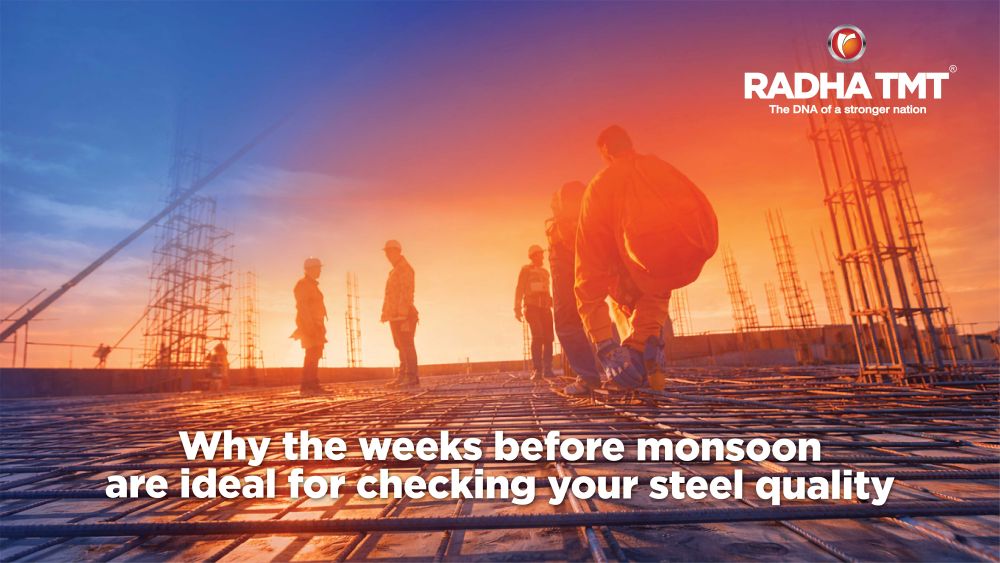
The weeks before monsoon bring a useful pause for anyone planning a slab, column or roof work schedule. Site activity is still moving, suppliers are active and material checks can happen with far more ease. This makes the season especially practical for reviewing the quality of TMT steel bars before rain, moisture and rushed procurement begin shaping decisions.
For home builders and contractors alike, this is the stage where a little attention can protect a great deal of future effort. Steel sits at the heart of the structure. Once it goes into the framework, every beam, lintel and column begins to depend on its strength, flexibility and consistency. A pre-monsoon quality check gives you a cleaner window to inspect material condition, confirm grade and plan purchases with a calm head.
Why Pre-Monsoon Checks Matter More Than People Realise
As the weather starts shifting, humidity rises and open sites begin feeling the first signs of seasonal moisture. This is exactly why steel quality deserves a close look before the rains settle in. Dry handling conditions make visual inspection easier. Storage planning also becomes more organised during this time.
Builders often spend time tracking loha rate today and comparing supplier quotes. That makes sense. Budget always matters. At the same time, price works best when it is matched with quality awareness. A strong purchase decision comes from checking both cost and performance together.
Pre-monsoon is also useful because it allows enough time to correct small issues. If a batch shows surface scaling, poor finish or inconsistent rib pattern, there is room to replace or review the stock without putting site progress under pressure. That breathing space can make a real difference during structural work.
What To Look For During A Steel Quality Check
A quality check does not have to feel complicated. A few practical observations can tell you a lot.
1. Surface condition
Bars should appear clean, uniform and properly finished. A fresh and well-maintained stock looks more reliable on site and easier to handle during cutting and bending.
2. Rib pattern and shape
The rib design helps steel bond better with concrete. Consistent formation across the bar supports dependable structural grip.
3. Brand markings and grade clarity
Clear identification helps confirm what has been supplied. It also helps avoid confusion at site level during large deliveries.
4. Bendability and workability
Steel used in construction should support fabrication with confidence. This becomes especially important in beams, stirrups and complex reinforcement detailing.
5. Corrosion behaviour
In a climate where moisture arrives hard and fast, builders naturally value corrosion resistant steel bars because long-term durability begins with how the material performs in demanding conditions.
Monsoon Planning Is Also About Storage Discipline
Checking steel quality before monsoon also helps you prepare how the stock will be stored. When deliveries come in early, site teams can stack bars above ground level, organise covered storage and reduce unnecessary exposure. This keeps the material in better condition and supports smoother execution once rain begins affecting movement and handling.
There is another practical advantage here. Many buyers monitor construction steel rate today while finalising their procurement cycle for the coming months. When quality review and storage planning happen together, procurement becomes more strategic. The conversation moves from simply buying steel to buying the right steel for the right stage of the project.
Why Builder Confidence Starts With The Right Brand
Steel quality is always easier to trust when the manufacturer has a strong process behind the product. Radha TMT highlights LRF technology, German THERMEX technology and a focus on strength, flexibility, corrosion resistance and sustainability across its site communication. Those are the kinds of manufacturing cues that help buyers feel more assured while selecting reinforcement material for homes and larger construction projects.
For a home builder, that confidence shows up in very practical ways. Material selection feels clearer. Site engineers can move faster. Structural decisions gain more certainty. And when monsoon arrives, the project stands on a better foundation both literally and operationally.
A Better Season For Better Decisions
The best time to check steel quality is often before urgency enters the picture. Pre-monsoon offers exactly that advantage. The site is active, inspection is easier and procurement can happen with far more control. Instead of reacting to weather and delays, you get the chance to plan from a position of clarity.
That is why this period works so well. It supports better inspection, smarter buying and stronger preparation for the months ahead. For any builder aiming to protect structural quality from the start, the weeks before monsoon remain one of the smartest times to act.
FAQs
Why is pre-monsoon considered a good time to inspect steel?
This period allows easier visual checking, smoother delivery planning and better storage preparation before heavy moisture enters the work cycle.
What should I check first when reviewing steel quality?
Start with surface finish, rib pattern, grade markings and overall consistency across the batch.
Does storage affect steel performance during monsoon?
Well-organised storage helps maintain cleaner site conditions and supports better handling through the rainy season.
Why does steel quality matter so much in home construction?
The reinforcement framework carries the structural load of the building, so strong and dependable steel supports long-term performance.